
Raksha Bandhan 2026: Date, Muhurat, History, Significance, Rituals & Celebration Guide
Raksha Bandhan 2026 will be celebrated on Friday, 28 August 2026, on the auspicious occasion of Shravan Purnima. Also known as Rakhi, Raksha Bandhan is one of India’s most cherished festivals, celebrating the bond of love, care, trust, and lifelong support between siblings. From tying the sacred Rakhi and performing traditional rituals to sharing sweets and exchanging thoughtful gifts, the festival gives families a special opportunity to come together and create lasting memories.
Whether you are looking for the Raksha Bandhan 2026 date, Rakhi tying time, the meaning and history of Raksha Bandhan, traditional rituals, or modern celebration ideas, this complete guide covers everything you need to know.
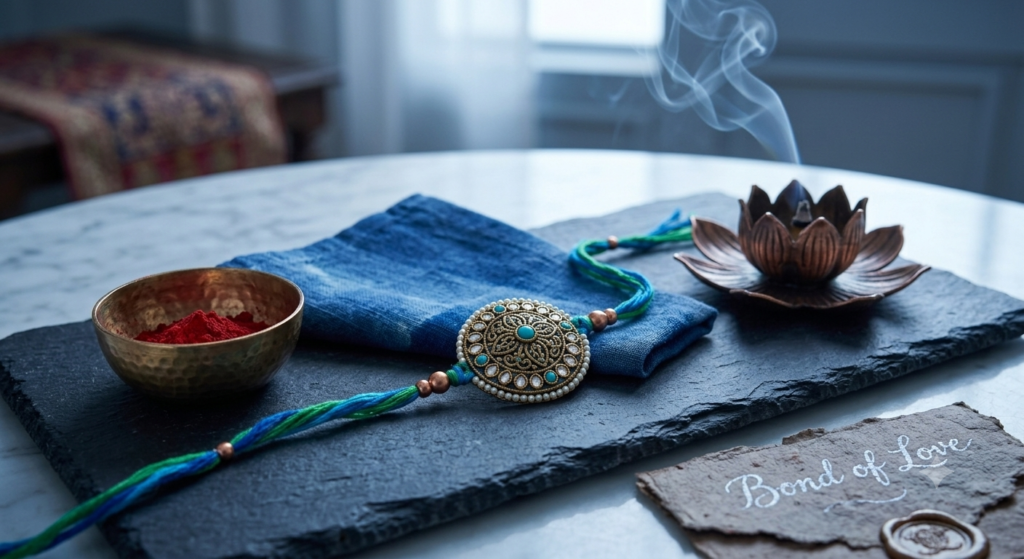
Raksha Bandhan 2026 Date and Day
The Raksha Bandhan 2026 date is Friday, 28 August 2026. The festival is traditionally observed on the full moon day, or Purnima, of the Hindu month of Shravan.
| DetailInformation | |
|---|---|
| Festival | Raksha Bandhan 2026 |
| Date | Friday, 28 August 2026 |
| Also Known As | Rakhi, Rakhi Purnima, Raksha Bandhan |
| Hindu Month | Shravan |
| Occasion | Sibling bond and family celebration |
The exact Rakhi tying muhurat can vary depending on the location and Panchang calculations. Families who follow traditional timings should therefore check a reliable local Panchang for the precise auspicious period and avoid tying Rakhi during Bhadra when applicable.
Raksha Bandhan 2026 Muhurat
One of the most commonly searched questions before Rakhi is about the Raksha Bandhan 2026 muhurat. In Hindu tradition, the timing for the Rakhi ceremony is determined according to the lunar calendar, particularly the Shravan Purnima Tithi.
The ceremony is generally performed during an auspicious period after considering the local Panchang. Since sunrise, sunset, Purnima Tithi, and Bhadra timings can differ by location, it is better to check the timing for your specific city rather than rely on a single nationwide time.
If your family follows traditional customs, prepare the Rakhi thali and other essentials in advance so the ceremony can be performed peacefully during the selected auspicious period.
What Is Raksha Bandhan?
Raksha Bandhan is a traditional Indian festival that celebrates the meaningful relationship between siblings and loved ones. The name comes from two Sanskrit terms:
- Raksha – protection
- Bandhan – bond or relationship
Together, Raksha Bandhan represents a bond of protection, care and responsibility.
Traditionally, a sister ties a Rakhi around her brother’s wrist and prays for his health, happiness, prosperity, and well-being. The brother then gives his sister a gift and expresses his commitment to supporting and caring for her.
Over time, the meaning of Rakhi has evolved. Today, the festival can represent mutual emotional support rather than only the traditional idea of a brother protecting his sister.
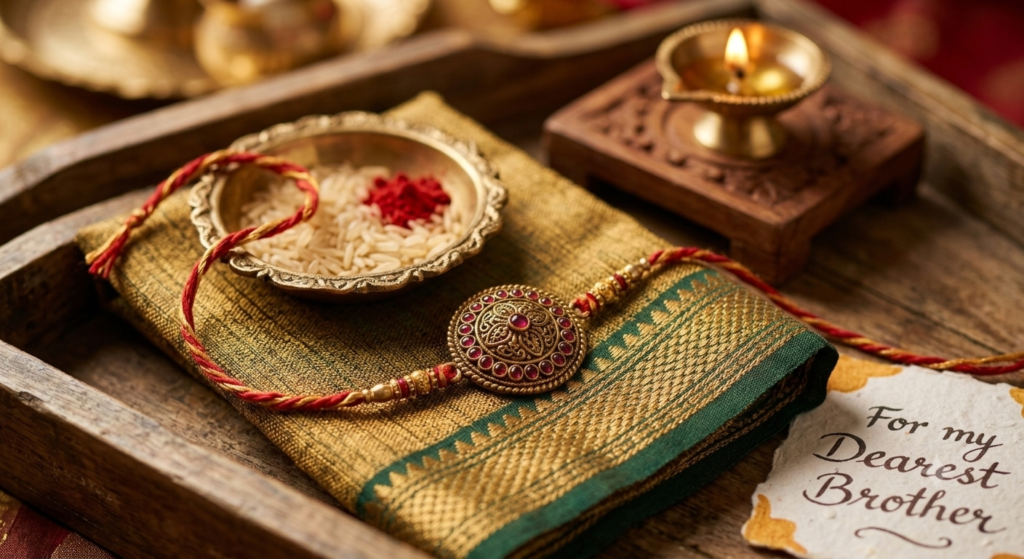
Sisters may celebrate with sisters, cousins may exchange Rakhis, and close family members may use the occasion to express gratitude and affection.
Meaning and Significance of Rakhi
The meaning of Rakhi goes far beyond the thread tied around the wrist. It represents affection, trust, shared memories, and a promise to remain connected through different stages of life.
A Rakhi can symbolize:
Love and Affection
Raksha Bandhan gives siblings an opportunity to express feelings that may not always be shared in everyday life. A simple Rakhi ceremony can become a meaningful reminder of the affection they have for each other.
Protection and Support
Traditionally, Rakhi represents a promise of protection. In modern families, this idea can be understood more broadly as emotional, practical, and lifelong support for one another.
Family Bonding
Busy schedules, work, education, and geographical distance can make regular family time difficult. Raksha Bandhan creates a special occasion for siblings and families to reconnect.
Gratitude
The festival is also a chance to appreciate the sibling who has shared childhood memories, celebrations, challenges, and important milestones over the years.
Raksha Bandhan History and Ancient Legends
The Raksha Bandhan history combines mythology, cultural traditions, and historical stories. Different communities have preserved different legends associated with the festival, so these stories are best understood as traditional narratives rather than as one single documented origin.
Krishna and Draupadi
One popular Mahabharata tradition tells of an incident in which Lord Krishna injured his finger. Draupadi is said to have torn a piece of cloth from her sari and used it to cover the wound.
The story is traditionally associated with a bond of affection and protection between Krishna and Draupadi. Later, Krishna is believed to have stood by Draupadi during her time of distress.
The story is often remembered for the simple message behind the gesture: even a small act of care can create a powerful and lasting bond.
King Bali and Goddess Lakshmi
Another well-known legend connects Raksha Bandhan with King Bali, Lord Vishnu, and Goddess Lakshmi.
According to the traditional story, Goddess Lakshmi tied a sacred thread to King Bali and revealed her identity while seeking Lord Vishnu’s return. King Bali respected the bond created by the sacred thread and fulfilled her request.
This legend highlights themes of hospitality, promises, and the responsibility associated with meaningful relationships.
Rani Karnavati and Humayun
The story of Rani Karnavati sending a Rakhi to Mughal emperor Humayun is widely repeated in popular accounts of Raksha Bandhan. It is often presented as an example of the Rakhi becoming a symbol of protection across political and religious boundaries.
However, the historical evidence surrounding this account is debated. It is therefore better treated as a popular historical tradition rather than an undisputed explanation of the origin of Raksha Bandhan.
Spiritual Significance of the Rakhi Ceremony
The significance of Rakhi ceremony comes from the combination of prayer, symbolism, and family participation.
A traditional ceremony commonly includes:
- Cleaning and preparing the celebration area
- Decorating a Rakhi thali
- Lighting a diya
- Applying tilak
- Offering rice grains
- Tying the Rakhi
- Performing an aarti
- Sharing sweets
- Exchanging gifts
- Seeking blessings from elders
Every family may follow slightly different customs. The ceremony does not need to be complicated; its central purpose is to express love, gratitude, good wishes, and respect.
How to Celebrate Raksha Bandhan 2026 Step by Step
If you are wondering how to celebrate Raksha Bandhan, the traditional ceremony can be organized easily at home.
1. Prepare the Rakhi Thali
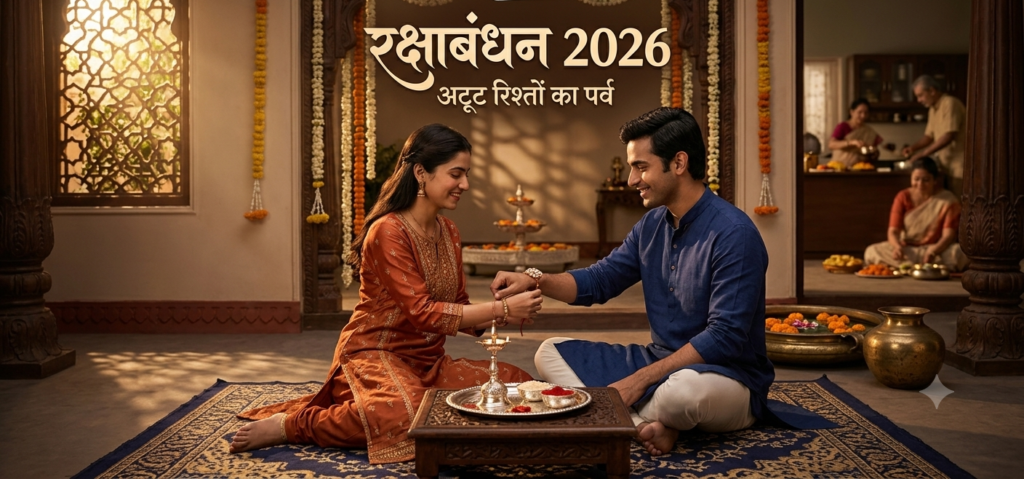
A Rakhi thali can include:
- Rakhi
- Kumkum or roli
- Rice grains
- Diya
- Sweets
- Flowers
- A small amount of sandalwood paste, according to family tradition
You can decorate the thali with flowers, decorative paper, beads, or traditional motifs to give it a festive look.
2. Dress for the Occasion
Many families choose traditional clothing such as kurtas, sarees, salwar suits, lehengas, or festive dresses. Wearing special clothes can add to the festive atmosphere and make family photographs even more memorable.
3. Apply Tilak
The sister applies tilak to her brother’s forehead and places rice grains over it according to the family’s custom. The tilak is traditionally associated with blessings, auspiciousness, and good wishes.
4. Tie the Rakhi
The sister ties the Rakhi around her brother’s wrist while offering prayers and good wishes for his health, happiness, prosperity, and well-being.
5. Perform Aarti
Some families perform a small aarti after tying the Rakhi. The diya and aarti are traditionally associated with auspiciousness and blessings.
6. Exchange Sweets
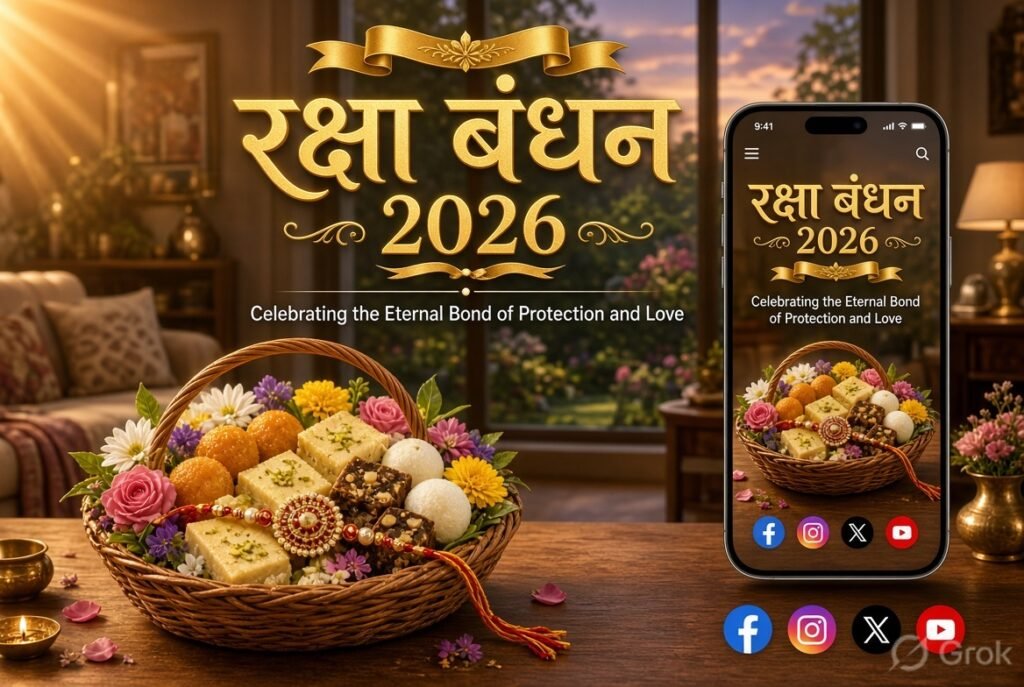
Sweets such as laddoo, barfi, peda, and rasgulla are commonly enjoyed during Raksha Bandhan. Sharing sweets adds to the joy of the occasion and symbolizes the wish for sweetness and happiness in the relationship.
7. Exchange Gifts
The brother traditionally gives a gift to his sister. Today, siblings often exchange gifts with each other, making the celebration more mutual and inclusive.
Raksha Bandhan 2026 Celebration Ideas
Traditional rituals can be combined with simple creative activities to make Raksha Bandhan 2026 even more memorable.
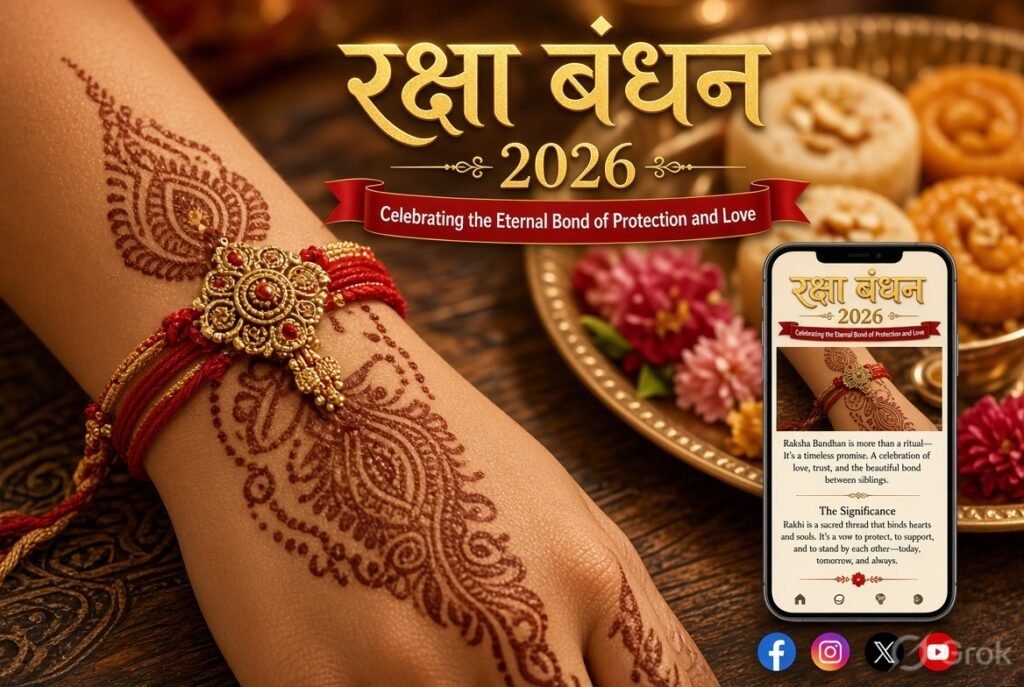
Personalized Rakhi
Choose a Rakhi based on your sibling’s personality. Personalized names, initials, favorite colors, or meaningful symbols can make a simple Rakhi feel more thoughtful and personal.
Handmade Rakhi
A handmade Rakhi made from threads, beads, paper decorations, or natural materials can add a personal touch. Children can also take part in making Rakhis for their siblings.
Family Photo Session
Set up a small festive corner at home with flowers, lights, and traditional decorations. Take family photographs before or after the ceremony to preserve the memories of the day.
Memory Gift
Instead of choosing a conventional present, create a photo album, scrapbook, or collection of childhood memories. It can be a simple but meaningful reminder of the time you have shared together.
Sibling Experience
A gift does not always have to be a physical object. Plan a family lunch, movie night, short outing, dinner, or another activity that both siblings enjoy.
Raksha Bandhan for Long-Distance Siblings
Not every brother and sister can be together on Raksha Bandhan. Work, education, and family responsibilities may keep siblings in different cities or countries.
Fortunately, distance does not have to stop you from celebrating the occasion.
You can:
- Send the Rakhi several days in advance.
- Order a gift online.
- Schedule a video call.
- Perform the Rakhi ceremony together virtually.
- Share photographs and childhood memories.
- Send sweets or a personalized gift.
- Plan an in-person celebration when you meet.
For international siblings, planning early is especially helpful because international delivery can take longer.
Eco-Friendly Rakhi Celebration
An environmentally conscious Raksha Bandhan celebration can be simple and meaningful.
Consider choosing Rakhis made from:
- Cotton threads
- Natural fibers
- Wooden beads
- Paper decorations
- Reusable materials
- Seed-based or plantable materials where genuinely suitable
You can also avoid unnecessary plastic packaging and choose reusable gift bags or recyclable wrapping paper.
An eco-friendly celebration allows families to enjoy the festival while being more mindful of unnecessary waste.
How to Choose the Perfect Raksha Bandhan Gift
A good Raksha Bandhan gift should reflect the recipient’s personality and interests rather than simply its price.
Gifts for Sisters
Popular options include:
- Silver bracelets
- Pendants
- Earrings
- Personalized jewelry
- Handbags
- Books
- Skincare or self-care gifts
- Personalized keepsakes
Gifts for Brothers
Consider:
- Watches
- Wallets
- Silver bracelets
- Chains
- Grooming products
- Books
- Electronics accessories
- Personalized gifts
Sentimental Gifts
For siblings who value memories, consider a customized photo frame, engraved keepsake, handwritten letter, or photo album.
Practical Gifts
If your sibling prefers useful presents, choose something related to their hobbies, work, travel, fitness, technology, or everyday lifestyle.
The most meaningful gift is usually one that shows you understand the person and have chosen something that suits their interests.
Raksha Bandhan and Changing Family Relationships
Raksha Bandhan has traditionally been associated with a sister tying a Rakhi to her brother. However, family relationships and social expectations have changed considerably over time.
Today, the festival is increasingly understood as a celebration of mutual care and emotional support.
Sisters may celebrate one another, cousins may exchange Rakhis, and families may create their own traditions. The central idea remains the same: recognizing and appreciating the people who stand beside us through different stages of life.
This broader interpretation allows Raksha Bandhan to remain relevant to younger generations while continuing to preserve its cultural identity.
Why Raksha Bandhan Still Matters Today
Modern life can make family relationships harder to maintain. People move for education, employment, and personal goals, often living far away from their childhood homes.
Raksha Bandhan creates a dedicated opportunity to pause, reconnect, and appreciate those relationships.
Its value is not limited to the Rakhi thread or the gift. The festival encourages people to:
- Spend quality time together
- Appreciate family relationships
- Reconnect after long periods apart
- Preserve cultural traditions
- Create memories for younger generations
- Express gratitude and affection
For families living outside India, Raksha Bandhan can also provide a meaningful way to introduce children to Indian customs and family traditions.
Raksha Bandhan 2026: A Simple Celebration Checklist
To make your festival preparation easier, keep these essentials ready:
- Rakhi
- Rakhi thali
- Kumkum or roli
- Rice grains
- Diya and oil or ghee
- Sweets
- Flowers
- Gifts
- Festive clothing
- Phone or video-call setup for long-distance siblings
Preparing everything in advance allows you to focus on the celebration instead of dealing with last-minute arrangements.
Final Thoughts
Raksha Bandhan 2026 is more than a festival marked by a sacred thread. It is an opportunity to celebrate the memories, affection, trust, and support that make sibling relationships special.
The Raksha Bandhan 2026 date is Friday, 28 August, and families can observe the occasion through traditional rituals, thoughtful gifts, family meals, personalized Rakhis, and modern virtual celebrations. Those following traditional Hindu practices should check their local Panchang for the exact Rakhi tying muhurat and any Bhadra-related restrictions.
Whether you celebrate with a simple thread, a handmade Rakhi, a meaningful gift, or a video call with a sibling living thousands of kilometres away, the heart of Raksha Bandhan remains unchanged: being there for the people we love.
Frequently Asked Questions About Raksha Bandhan 2026
1. When is Raksha Bandhan 2026?
Raksha Bandhan 2026 will be celebrated on Friday, 28 August 2026. It falls on Shravan Purnima according to the Hindu lunar calendar.
2. What does Rakhi mean?
Rakhi represents a bond of love, protection, care, and support. The word Raksha means protection, while Bandhan means bond or relationship.
3. What is the Raksha Bandhan 2026 muhurat?
The exact auspicious Rakhi tying time depends on the local Panchang and location. Families following traditional customs should check a reliable Panchang for their city and avoid Bhadra when applicable.
4. How do you celebrate Raksha Bandhan?
A traditional celebration involves preparing a Rakhi thali, applying tilak, tying the Rakhi, performing aarti, sharing sweets, and exchanging gifts. Families can also include their own traditions to make the occasion personal.
5. What is the history of Raksha Bandhan?
Raksha Bandhan has several traditional legends associated with it, including stories involving Krishna and Draupadi, King Bali and Goddess Lakshmi, as well as the popular historical tradition involving Rani Karnavati and Humayun.
6. Can Rakhi be tied to cousins or friends?
Yes. While the traditional focus is on siblings, many families also celebrate Raksha Bandhan with cousins and other close relationships that represent care, trust, and mutual support.
7. What are good Raksha Bandhan 2026 gift ideas?
Jewelry, personalized keepsakes, books, watches, accessories, self-care products, chocolates, and experience-based gifts can all be thoughtful choices. The best gift depends on the recipient’s personality and interests.
8. How can long-distance siblings celebrate Raksha Bandhan?
Siblings living apart can send Rakhis and gifts in advance and connect through a video call. They can perform the ceremony virtually, share sweets and photographs, and celebrate together online.
9. Why is Raksha Bandhan important today?
Raksha Bandhan provides an opportunity to strengthen family relationships, express gratitude, and preserve cultural traditions. Its modern interpretation also emphasizes mutual support and equality between siblings.